




Uterus is a pear-shaped muscular organ having a cavity inside which has immense capacity that can easily accommodate a 9-month pregnancy. It has three layers – the outermost is very thin named perimetrium, middle one is the thickest and muscular known as myometrium and the innermost is known as endometrium.
This innermost layer is called the uterine bed and is the layer which sheds partly every month in periods to get formed anew in next cycle. This layer undergoes morphological and functional changes under the cyclic changes of estrogen and progesterone released by the developing egg in the ovary.
Each month the body prepares the endometrium under the perfectly balanced orchestra of various hormones. These changes in the endometrium are needed for implantation of the embryo and hassle-free continuation of pregnancy.
Every time a lady ovulates (releases egg) the endometrium prepares itself to receive the fertilized egg. If fertilization fails to occur then the innermost layer of the endometrium sheds off and is expelled from the vagina as menstruation.
A successful IVF cycle can be mainly attributed to the following factors:-
1. Age of patient
2. Quality of embryo
3. Endometrial receptivity for the embryo
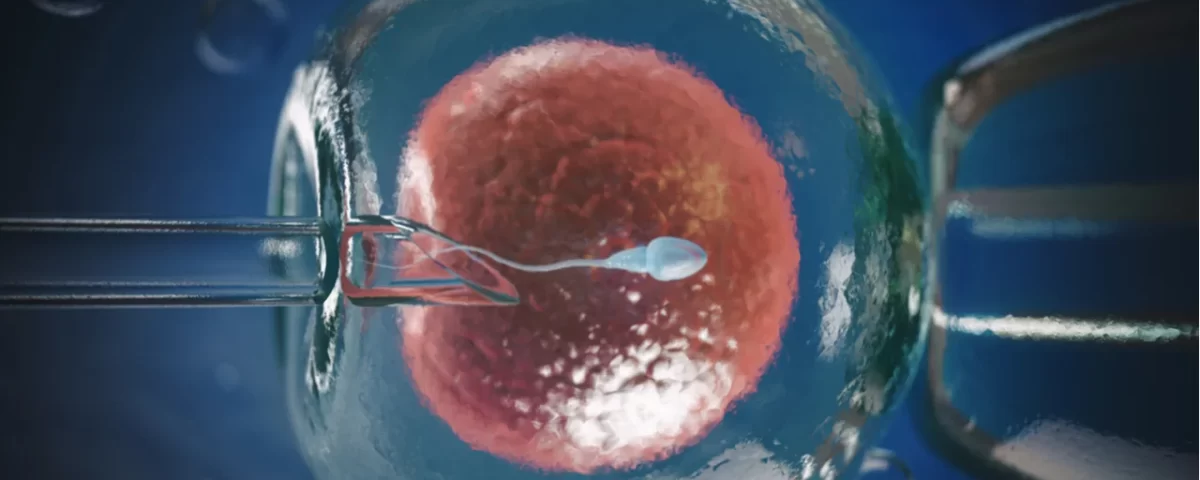
In IVF ovaries are stimulated, eggs collected and fertilized and resulting embryos are grown for three days (or till blastocyst stage) before transferring them to the uterus.
An optimally thick, receptive and nourishing endometrium lining is essential for the embryo to implant. The minimum thickness of endometrium for implantation is 7 to 8 mm (best being 8 to 12 mm) and having a good triple layer appearance on USG.
Endometrial receptivity is the key to successful IVF outcome. This is the reason for detailed evaluation of endometrial receptivity for many years. People from Rajasthan can book an appointment with Alka IVF which is awarded as one of the best IVF centre in Udaipur.
Ultrasound examination is the routine method of endometrial evaluation in IVF cycles. It is the most common and the most popular way of endometrial monitoring due to its convenient and non-invasive nature.
Many parameters are studied on ultrasonography for endometrial receptivity:-
- Thickness
- Volume
- Blood flow
- Waves
Among all these parameters, thickness and pattern of endometrium are most widely studied and accepted as prognostic indicators.
Causes of thin endometrium
1. Inflammation of uterine lining known as endometritis
2. Estrogen deficiency in body
3. Poor blood flow to the endometrial lining
4. Previous surgeries in the cavity like removal of fibroids, polyps or septum
5. Uterine adhesions due to previous trauma like D&C or infections like tuberculosis
6. Adenomyosis can also cause poor endometrial delineation and thin endometrium.
Treatment of Thin Endometrium
Several treatment techniques have been offered to patient with thin endometrium. These include :-
1. Lifestyle modification – healthy diet, weight reduction, Yoga, meditation, exercise
2. Hysteroscopic adhesiolysis
3. Hormonal manipulation by estrogen and GnRH agonists
4. Vasoactive measures like aspirin, Vitamin E, pentoxifylline and vaginal use of sildenafil
5. Intrauterine infusion of growth factors such as G-CSF
6. Avoidance of few medicines used in seasonal allergy treatment as these might decrease the blood supply to genital organs
7. Try acupressure and acupuncture and fertility massage to improve blood flow to the uterine area
8. Newer treatments like platelet rich plasma and stem cell therapy can be offered but these are very new in this field to be of any proven benefits
With the vast armamentarium available lots of hope is there for these couples but individualisation of treatment as per patient need is the key success point for achieving pregnancy.
Sources and References
American Society for Reproductive Medicine (ASRM). “Endometrial preparation for women undergoing embryo transfer with frozen embryos or embryos from donor oocytes.” https://www.asrm.org/practice-guidance/practice-committee-documents/endometrial-preparation-for-women-undergoing-embryo-transfer-with-frozen-embryos-or-embryos-from-donor-oocytes/
ASRM. “Indications for assisted reproductive technology: a committee opinion.” https://www.asrm.org/practice-guidance/practice-committee-documents/indications-for-assisted-reproductive-technology-a-committee-opinion/
European Society of Human Reproduction and Embryology (ESHRE). “Routine endometrial receptivity array prior to frozen embryo transfer in women with recurrent implantation failure.” https://www.eshre.eu/Guidelines-and-Legal/Guidelines/Recurrent-implantation-failure
Kunicki M, et al. “Thin endometrium is associated with lower clinical pregnancy rates in frozen-thawed embryo transfer cycles.” PMC: https://pmc.ncbi.nlm.nih.gov/articles/PMC7481872/
