
Intra-Cytoplasmic Sperm Injection
Treatment & Services
Our Centres
Book Free Appointment
ICSI Treatment
ICSI means Intra-Cytoplasmic Sperm Injection. In this technique an ICSI machine is used which has one pipette to hold the egg and another pipette to inject the sperm directly into the oocyte’s cytoplasm, rather than waiting for the sperm to do so on its own strength. This technique increases the possibility of fertilization and is especially helpful for couples who have a prior history of fertilization failure or those with poor semen parameters.
ICSI Treatment was first used successfully in 1992. In ICSI, an embryo is produced using only 1 egg and 1 sperm, so this technique can be applied under the following circumstances:-
- Cases of severe sperm disability
- When sperms are taken out from the epididymis or testis
- To improve fertilization rate even when male factor is normal
For pregnancy, a woman’s egg must be fertilised by a sperm. For fertilisation the head of the sperm must attach to the outer layer of the egg. Once this attachment occurs there is something called an “acrosomal reaction” takes place and this sperm pushes through the layers of the egg to get inside the egg cytoplasm.
Sometimes the sperm is not able to penetrate the outer layer of egg for a variety of reasons. Various reasons for the sperm not able to penetrate is:
The egg’s outer layer may be thick or hard or the sperms may be at fault. In these cases, a procedure called intracytoplasmic sperm injection can be done to help the egg fertilise.
How does ICSI differ from traditional IVF?
There are two ways that an egg may be fertilised in IVF
Traditional IVF where in 50,000 or more sperms are placed around the egg in a laboratory dish. Fertilisation occurs when one of these sperms enters the cytoplasm of the egg. It is a more natural way of fertilisation.
In the ICSI process, a tiny needle, called injecting micropipette, is used to inject a single sperm into the cytoplasm of the egg.
Who need ICSI?
- The male partner produces very less sperms to do IUI or IVF.
- The sperm may not be motile in a normal fashion.
- The sperm may have trouble attaching itself to the outer layer of the egg.
- Any blockage in the male reproductive tract may prevent sperms from getting out. In these patients we take out the sperms surgically from Testis/ Epididymis for ICSI
Severe male infertility is not the only reason for ICSI. Other evidence-based reasons include:
- Previous IVF cycle had few or no fertilised eggs with traditional IVF.
- Frozen sperms are being used.
- Frozen oocytes are being used.
- Preimplantation genetic diagnosis needs to be done
preimplantation genetic diagnosis is an IVF technology that allows for the genetic screening of embryos. There is a concern that the traditional IVF technique may cause sperm, who have not fertilized the egg, to be still surrounding the embryo and this may interfere with accurate PGD results.
- IVM (In Vitro Maturation) of oocytes is being used.
Some debateable uses of ICSI
ICSI can be of great help in particular situations, however, there is some disagreement on its uses and its ability in improving success rates of in vitro fertilisation.
- Very few eggs retrieved in IVF cycle. The fear is that, with few oocytes, what if they won’t fertilise with traditional IVF. In these circumstances, ICSI is done thinking that it will help improve fertilisation rates.
- Unexplained infertility In these cases, as we don’t know what is wrong so taking all measures to get more embryos is a good action plan.
- Advanced maternal age.
- Routine ICSI for everyone Few IVF Doctor believe that every patient should go for ICSI to eliminate the possibility of fertilisation failure.
Success rate of ICSI
One might feel and assume that with the help of ICSI all eggs can be fertilised, but the fact is they don’t. With the ICSI procedure fertilisation rate is 50 to 80%,as fertilisation can’t be guaranteed even when a sperm is injected directly into the cytoplasm of the egg.
Fertilisation rates don’t dictate clinical pregnancy or live birth rates.
Risks with ICSI
ICSI comes with all the risk of the traditional IVF cycle, but the ICSI procedure does introduce few more additional risks. A normal pregnancy has 1.5% to 3% risk of major birth defects. ICSI treatment increases risk of birth defect to a slight extent but still it’s rar like e only.
Some birth defects like Beckwith weidmann syndrome (BVS), Angleman syndrome, Hypospadias, and sex chromosome abnormalities are more likely to occur with ICSI. They are occurring in less than 1% of babies conceived with ICSI.
There is also a slight increased risk of male baby having same fertility issues as the father has because male infertility cause may be passed on genetically.
Why Choose Us
Our Unique Services And Pillars
Expert Medical Team
- Expert doctors with 15+ years of experience
- Fully equipped infrastructure from consultation to delivery.
- Advanced laparoscopy and hysteroscopy surgical team in-house.
Pillars That Define Alka IVF
- Guided by Transparency
- Experienced specialists ensure ethical and evidence-based care.
- Accessible treatment designed for every aspiring parent.
A Fixed Package Model
- No hidden costs — everything from consultations, scans, injections to medicines all included.
- Custom packages as per the patient
- Final- Cost of IVF/ICSI at AlkaIVF starting at just Rs 75,000/cycle*
From Hope to Happiness
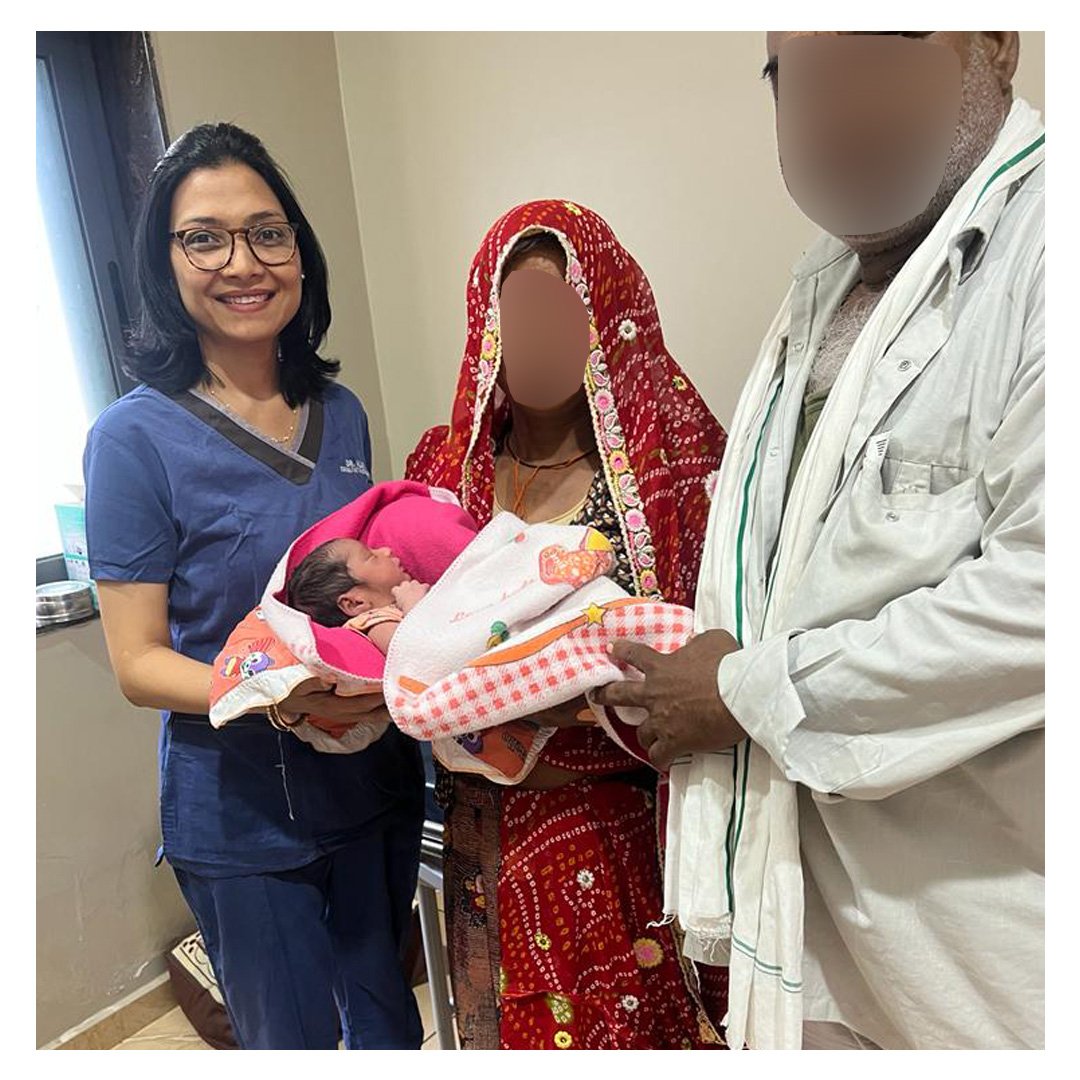
Meet the families whose dreams came true with Alka IVF. Every story is a testament to perseverance, care, and the joy of parenthood.





Testimonials
Hear From Our Happy Patients
Hear from the families whose dreams came true with Alka IVF.
Parenthood Journey, Simplified
Step-By-Step Process To Your Parenthood Journey.
Meet with our fertility experts to discuss your medical history, understand your options, and create a personalized plan tailored to your parenthood journey.
Your first visit includes scans and diagnostic tests to evaluate fertility health. This helps us understand your cycle and prepare the best treatment schedule for you.
During this phase, your ovaries are stimulated, eggs are retrieved, and fertilization takes place in our advanced lab, carefully monitored by our team for the best outcome.
A healthy embryo is selected and gently transferred into the uterus using advanced techniques, giving the best chance for a successful pregnancy.
After 12–14 days, a simple blood test confirms the pregnancy. Our team stays with you at every step, offering care, guidance, and reassurance.
Book an Appointment
Common Questions
Most Popular Questions
ICSI (Intracytoplasmic Sperm Injection) is a specialized form of IVF that involves injecting a single sperm directly into a mature egg to promote fertilization. The main difference between IVF and ICSI lies in how the sperm fertilizes the egg. In conventional IVF, the egg and multiple sperm are placed together in a petri dish to fertilize naturally, with the sperm needing to penetrate the egg's outer layer on their own. In ICSI, an embryologist selects a single sperm and injects it directly into the cytoplasm of the egg, bypassing any potential barriers the sperm may face. ICSI is primarily used for treating severe cases of male-factor infertility.
ICSI is recommended in several specific situations. The primary indication is severe male infertility, including low sperm count, poor sperm motility, or abnormal sperm morphology. It is also suggested when there have been failed fertilization attempts in prior IVF cycles, when IVF cycles fail to fertilize the eggs. ICSI is useful when using frozen sperm or eggs to help ensure successful fertilization, and in cases of unexplained infertility where couples have not been able to conceive naturally or with other fertility treatments. The procedure offers a higher likelihood of fertilization, especially in cases where traditional IVF might not be as effective.
The cost of ICSI treatment in India varies based on factors like clinic location, expertise of the medical team, and additional procedures required. On average, the ICSI treatment price ranges between ₹1.2 to ₹2.5 lakhs per cycle. A detailed breakdown includes: initial consultation (₹1,500-₹5,000), ovarian stimulation medications (₹50,000-₹90,000), egg retrieval procedure (₹30,000-₹50,000), ICSI procedure itself (₹60,000-₹1,00,000), embryo transfer (₹20,000-₹30,000), and laboratory charges (₹30,000-₹50,000). Additional procedures like embryo freezing (₹15,000-₹30,000 per year), assisted hatching (₹20,000-₹30,000), and PGD/PGS testing (₹60,000-₹1,00,000) can increase the overall cost. ICSI is slightly more expensive than traditional IVF due to the additional step of injecting the sperm into the egg.
ICSI has shown promising success rates, particularly when addressing male infertility. The average success rate of ICSI per cycle is around 50-60%, with some sources reporting success rates between 50-80%. For women under 35, the average live birth rate per IVF cycle with ICSI is approximately 30-35%. Research indicates that ICSI success rates can range from 60-70%, compared to IVF which is generally between 40-50%. The success rates of ICSI are generally comparable to those of IVF, and the overall success depends on various factors including the woman's age, the quality of the embryos, and the underlying cause of infertility. It's important to note that for couples without male factor infertility, using ICSI often doesn't increase the chances of pregnancy or live birth compared to standard IVF methods.
The ICSI process is similar to IVF but involves an additional step of sperm injection. The entire procedure, from ovarian stimulation to embryo transfer, typically takes about 4-6 weeks. The key steps include: ovarian stimulation lasting 10-14 days with approximately 10-14 injections over this period, followed by egg retrieval, sperm collection and preparation, the ICSI procedure and fertilization (which takes 1 day), and finally embryo transfer occurring 3-5 days after fertilization. The woman undergoes the same ovarian stimulation and egg retrieval process as in standard IVF, but during the ICSI procedure, an embryologist performs the specialized step of selecting and injecting a single sperm directly into each egg.